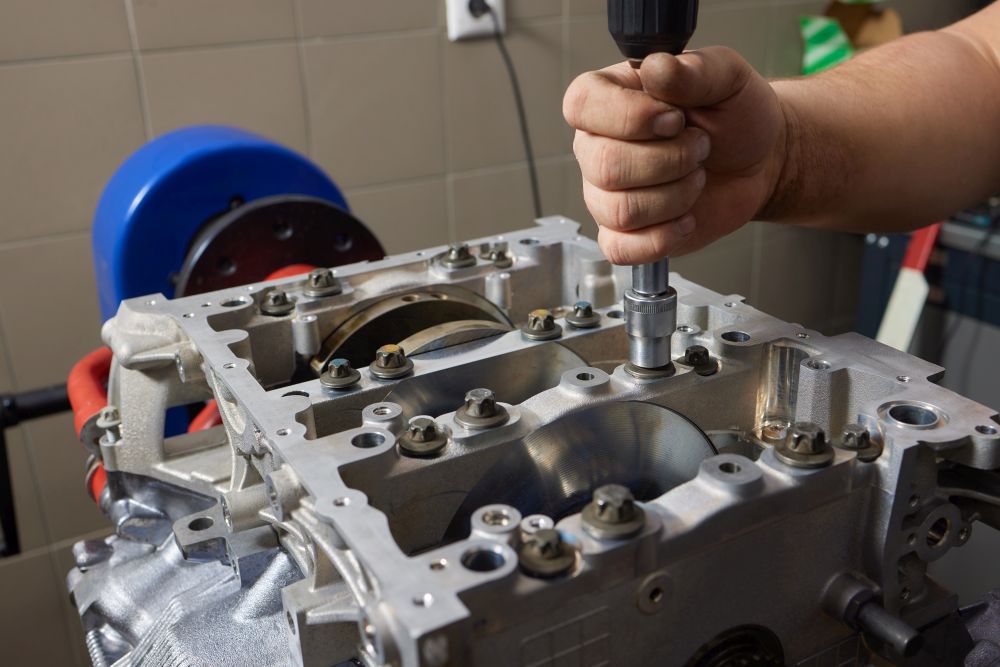
Gearbox repair demands the kind of professional attention that separates competent service from costly mistakes, and vehicle owners must understand this distinction before entrusting their automobiles to any workshop. The transmission system represents a substantial investment in engineering precision, containing components manufactured to tolerances measured in fractions of millimetres, operating under conditions that would destroy lesser machinery. When this system fails, when gears refuse to engage properly or when strange noises signal internal distress, the response must be measured, professional, and thorough. In Singapore’s automotive market, where vehicle costs remain among the world’s highest and where the Certificate of Entitlement system amplifies every repair decision’s financial significance, choosing the right approach to transmission problems becomes a matter of considerable economic consequence.
The Foundation of Professional Service
Professional Gearbox repair work rests upon three fundamental pillars: technical competence, diagnostic accuracy, and transparent communication. Without any one of these elements, the entire structure becomes unreliable. Technical competence requires proper training, appropriate equipment, and continuous education as transmission technology evolves. Diagnostic accuracy demands systematic methodology, patience to investigate thoroughly, and the intellectual honesty to acknowledge when additional testing is needed. Transparent communication means speaking clearly with customers, explaining problems in understandable terms, and providing realistic assessments of costs and timelines.
These principles may seem self-evident, yet their consistent application distinguishes truly professional workshops from those merely claiming professional status.
Recognising When Professional Intervention Becomes Necessary
Transmission problems announce themselves through specific symptoms that should never be dismissed or postponed:
- Delayed engagement when shifting from park to drive or reverse
- Slipping between gears causing unexpected changes in engine speed without corresponding vehicle acceleration
- Harsh or rough shifting that jars occupants and signals incorrect hydraulic pressure or worn components
- Unusual noises including whining, grinding, or clunking sounds during operation
- Fluid leaks creating spots beneath parked vehicles
- Warning lights illuminating on the dashboard to indicate detected faults
- Burning smells suggesting overheating transmission fluid
According to experienced professionals providing transmission repair services in Singapore, “Most transmission failures develop gradually over weeks or months. Early symptoms represent opportunities for less expensive intervention. Ignoring these warnings typically results in catastrophic failure requiring much more extensive and costly repairs.”
This observation underscores the value of prompt professional attention.
The Diagnostic Process That Builds Confidence
A professional approach to gearbox diagnosis follows established protocols designed to identify problems accurately before commencing repair work. The process begins with detailed consultation, gathering information about symptoms, their onset, and operating conditions when they occur. Road testing follows, allowing technicians to experience problems directly and assess transmission behaviour under varying loads and speeds.
Workshop-based diagnosis includes:
- Fluid condition analysis checking for contamination, burnt odours, or incorrect levels
- Computer diagnostics retrieving fault codes stored in the vehicle’s control systems
- Hydraulic pressure testing to verify proper operation of pumps and valves
- Visual inspection for external damage, leaks, or disconnected components
- Internal inspection when external testing proves inconclusive
This methodical approach eliminates guesswork, ensuring that repair efforts address actual problems rather than assumed causes.
The Hallmarks of Quality Repair Work
Professional gearbox repairs exhibit certain characteristics that distinguish them from substandard work. Quality begins with using appropriate replacement parts that meet or exceed original equipment specifications. It continues through careful reassembly following manufacturer torque specifications and clearance requirements. It includes thorough testing before returning vehicles to customers, verifying that repairs have resolved problems completely.
Professional workshops also provide detailed documentation of work performed, parts replaced, and testing conducted. They offer meaningful warranties that protect customers from premature failure, and they stand behind their work when issues arise. These practices reflect confidence in workmanship and commitment to customer satisfaction.
Understanding Cost Factors Without Sacrificing Quality
The cost of transmission repair work varies considerably based on several factors: the extent of internal damage, the specific transmission model, parts availability, and labour requirements. Professional workshops provide transparent pricing that itemises these elements clearly. They explain why certain repairs cost more than others and offer options when multiple approaches exist.
Industry professionals note that “In Singapore’s market, customers rightfully expect value for their expenditure. Professional service means delivering quality repairs at fair prices, not overcharging because vehicles represent captive assets once partially disassembled.”
Building Trust Through Consistent Performance
Confidence in gearbox repair specialists develops through demonstrated reliability over time. Professional workshops build reputations through consistent performance: repairs that solve problems permanently, estimates that match final invoices, timelines that prove accurate, and communication that remains clear and honest throughout the service process.
Vehicle owners should seek workshops with verifiable credentials, appropriate certifications, and positive customer testimonials spanning extended periods. They should feel comfortable asking questions, requesting explanations, and discussing concerns without encountering defensive or evasive responses.
The Path Forward
Professional transmission service represents more than mechanical competence. It encompasses the entire customer experience, from initial contact through final vehicle return. It means treating customers with respect, their vehicles with care, and their concerns with seriousness. It requires workshops to maintain high standards even when customers lack technical knowledge to evaluate work quality independently.
For vehicle owners facing transmission problems, the choice of service provider carries lasting consequences. Select professionals who demonstrate technical expertise, communicate clearly, price transparently, and stand behind their work. These qualities, consistently applied, enable vehicle owners to approach necessary repairs with confidence rather than apprehension. When transmission problems arise, as they inevitably do with any mechanical system, professional attention makes the difference between a resolved issue and an ongoing nightmare. The right approach to gearbox repair restores not just vehicle function but also peace of mind.