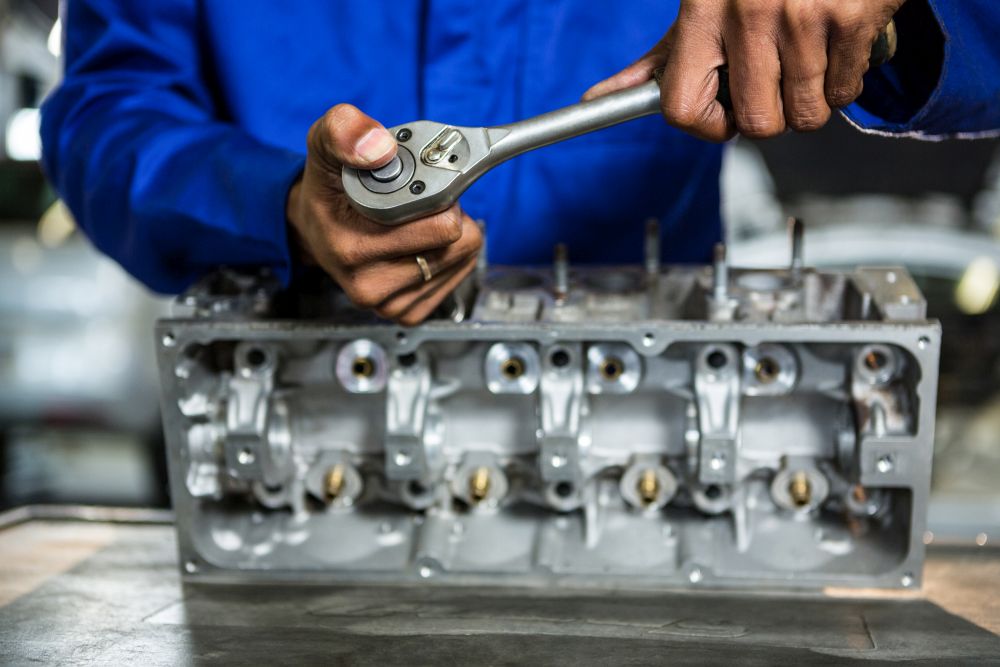
Gearbox repair services exist because mechanical systems, like natural ones, do not fail all at once. They degrade gradually, sending out signals that are easy to dismiss until, quite suddenly, they are not. The transmission is no different. It is one of the most complex assemblies in any vehicle, and it communicates its distress in ways that are consistent, recognisable, and, critically, worth taking seriously long before the situation becomes irreversible.
The question is whether drivers are paying attention.
How a Gearbox Actually Works
Before examining the warning signs, it is worth understanding what the gearbox is doing at any given moment. Its job is to manage the relationship between engine speed and wheel speed, selecting the appropriate gear ratio to deliver power efficiently across a range of driving conditions. In an automatic transmission, this process is handled by a hydraulic system governed by solenoids and a valve body. In a manual, the driver participates directly through the clutch and gear lever.
Either way, the system depends on clean fluid, intact mechanical components, and a precise chain of cause and effect. Disrupt any part of that chain, and the effects propagate. In Singapore, where vehicles spend considerable time in stop-start traffic under elevated ambient temperatures, that chain is under more stress than many drivers appreciate.
The Warning Signs Worth Knowing
Unusual Noises During Gear Changes
Sound is often the first indicator that something has changed inside the transmission. A healthy gearbox operates with a certain quietness. When that quietness is interrupted by grinding, whining, or a rhythmic clunking, the gearbox is drawing attention to itself.
Grinding during gear changes in a manual vehicle typically points to worn synchroniser rings. A whining noise that varies with vehicle speed in an automatic suggests bearing wear or fluid pressure issues. Neither sound improves on its own.
Slipping Gears
Gear slip is among the more alarming symptoms a driver can experience. The engine revs climb, the vehicle does not accelerate correspondingly, and for a moment the connection between engine and road seems to dissolve. This can occur in both manual and automatic transmissions, and it indicates that the gearbox is failing to maintain the correct gear ratio under load.
In automatic vehicles, slip is frequently associated with worn clutch packs or degraded transmission fluid that can no longer sustain adequate hydraulic pressure. In Singapore’s gearbox repair workshops, fluid-related slip caught at an early stage is often resolved without major component replacement. Left unaddressed, the same problem can escalate into a full rebuild.
Delayed or Erratic Engagement
When shifting from park to drive or from neutral into gear, the engagement should be prompt and smooth. A noticeable delay, a hesitation, or a sudden lurch suggests that the hydraulic system is struggling. Solenoid faults are a common culprit in automatic transmissions, as are issues with the torque converter. These are not minor inconveniences. They are early warnings from a system under strain.
Warning Lights on the Dashboard
Modern vehicles monitor transmission behaviour electronically, and fault codes are stored whenever the system detects an anomaly. A transmission warning light, or in some vehicles a general engine management light, may appear as the first tangible sign of trouble. Ignoring it does not make the underlying fault go away. It simply delays the diagnosis.
Fluid Leaks and Fluid Condition
Transmission fluid is the lifeblood of the gearbox. It lubricates moving components, manages heat, and in automatic transmissions carries the hydraulic pressure that controls gear selection. When fluid leaks from a faulty seal or gasket, all of these functions are compromised.
The signs to look for include:
- A reddish or brownish puddle beneath the vehicle after it has been parked
- A burning smell during or after driving, indicating that fluid is overheating or making contact with hot engine components
- Dark, gritty fluid when checked on the dipstick, suggesting that the fluid is contaminated with metal particles from worn internal components
In Singapore’s heat, fluid degrades more rapidly than in cooler climates. Regular fluid checks are not optional maintenance. They are a baseline requirement for transmission health.
Shuddering or Vibration
A shudder felt through the vehicle during acceleration, particularly at certain speed ranges, often points to torque converter problems in automatic transmissions. The torque converter lock-up clutch, which engages at higher speeds to improve fuel efficiency, can wear or contaminate over time. When it does, the result is a distinctive vibration that drivers sometimes mistake for an engine or tyre issue.
Why Early Intervention Matters
The pattern across all of these warning signs is consistent: early detection significantly changes the outcome. A gearbox transmission repair carried out at the first sign of a solenoid fault costs a fraction of what a full rebuild requires after that fault has been running for months. The same logic applies to fluid leaks, worn synchronisers, and bearing noise.
In Singapore, where vehicle ownership costs are substantial, protecting the transmission through timely gearbox servicing is straightforward economic sense. The cost of a fluid change or a minor component repair is not comparable to the cost of a replacement unit.
Conclusion
Mechanical systems give warnings. The gearbox is no exception. It announces its problems through sound, sensation, fluid condition, and electronic fault codes, and it does so consistently enough that none of these signals should come as a surprise to anyone who knows what to look for. The drivers who fare best are those who take these signals seriously before the damage compounds. In Singapore’s demanding driving environment, that attentiveness is not merely advisable. It is what keeps vehicles on the road and repair bills within reason. When the signs are there, the right response is always to seek out professional Gearbox repair services before a manageable problem becomes an expensive one.